Living in Milton
Deborah Morton, Managing Partner, The Agency Atlanta. RealTrends Top 1.5%.
Milton is one of metro Atlanta's younger cities: it was incorporated on December 1, 2006. Spend a Saturday at Providence Park, where a paved loop and a fishing pier sit on 42 wooded acres around Providence Lake, and you'll get a quick sense of how much of this city is still trees and trails.
That first impression holds up. Milton is a north Fulton County city where most of the land is zoned for agriculture and many lots are measured in acres. This guide covers where Milton is, how its areas differ, which parks and public schools are here, and how it fits next to its neighbors.
Living in Milton means a lot of green space, large lots and one planned, walkable center in Crabapple. The trade-off is simple: more room between homes usually means more time in the car.
The city's own numbers explain the feel. About 85 percent of Milton's land is agriculturally zoned, which means residential lots in those areas must be at least one acre. Horse trailers have their own parking lot at one of the city's parks. If your idea of a perfect afternoon involves a long trail and a lot of trees, the city has planned for you.
Milton is also a city with a clear origin story. The name honors John Milton, a Revolutionary War figure who was also the namesake of the old Milton County. That county covered the area from 1857 until 1931, when, short on money after the 1929 crash, the Great Depression, the boll weevil and a long drought, it dissolved and was folded into Fulton County. The result was a county that stretches about 70 miles from its northern tip, in present-day Milton, to its southern end, with the City of Atlanta in between.
Milton is a city in the northernmost part of Fulton County, covering just over 39 square miles. It borders Cherokee County to the north and west, Forsyth County to the east, Roswell to the southwest and Alpharetta to the south.
A few quick facts, all from the city and the school district:
County: Fulton. Milton formed in 2006 from parts of unincorporated Fulton County.
City or unincorporated: Milton is an incorporated city with its own mayor and city council. The first city election was held on November 7, 2006, and Joe Lockwood was elected the first mayor.
Size: just over 39 square miles, with about 85 percent agriculturally zoned.
School district: Fulton County Schools.
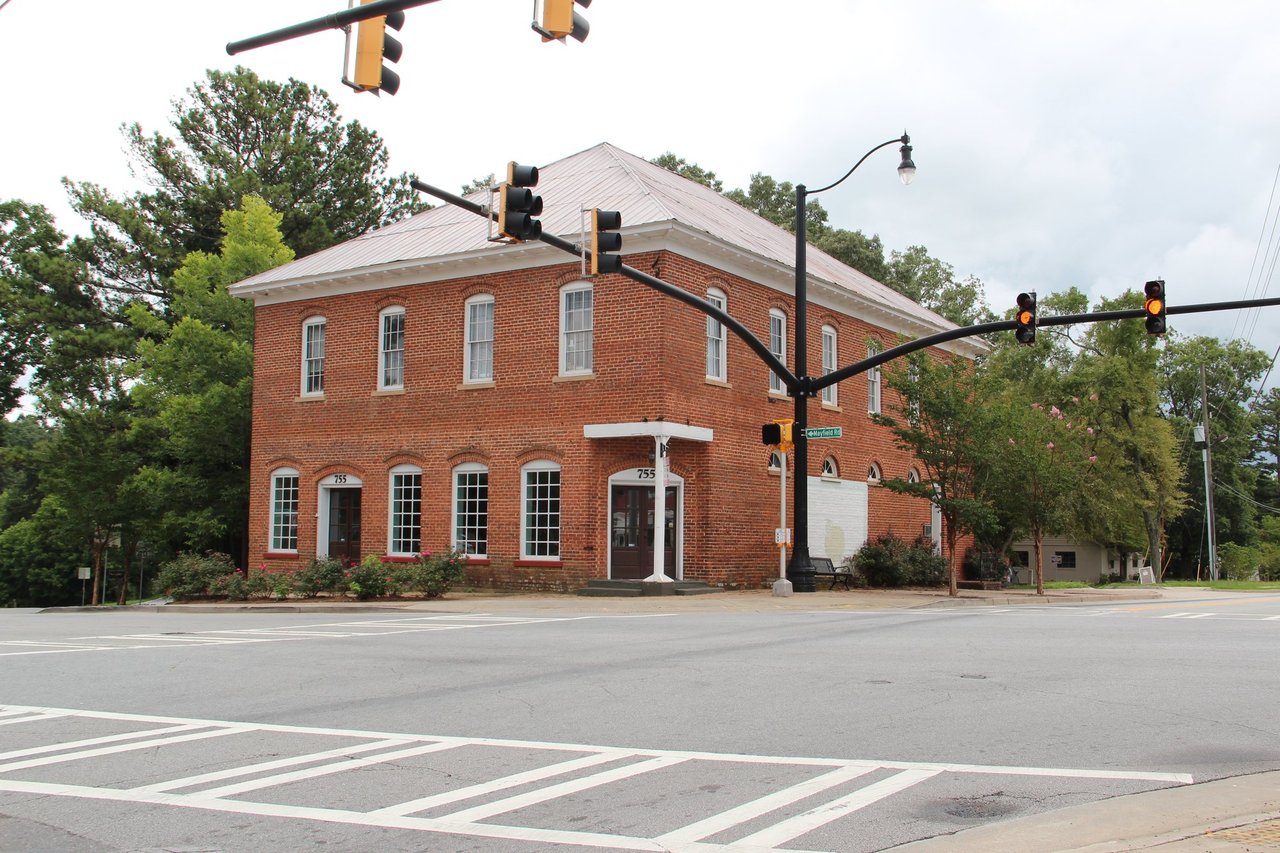
City Hall: 2006 Heritage Walk, in a city-owned building that opened in 2017. Yes, the street number matches the year the city was founded. Fitting.
Milton became a city through a state bill and a local vote. State Rep. Jan Jones introduced the bill to create Milton in January 2005, with the plan of moving it forward a year later so residents had time to weigh cityhood. On March 9, 2006, the bill passed the Georgia House 127 to 21 and the State Senate 49 to 0, and Governor Sonny Perdue signed House Bill 1470 on March 28, 2006.
Voters had the last word, and 85 percent approved the referendum. On December 1, 2006, the city was incorporated and adopted Fulton County's ordinances to start. Milton was one of three new cities carved out of unincorporated Fulton County during the cityhood movement of that era, along with Sandy Springs and Johns Creek. Since then the city has written its own City Code and moved into city-owned buildings.
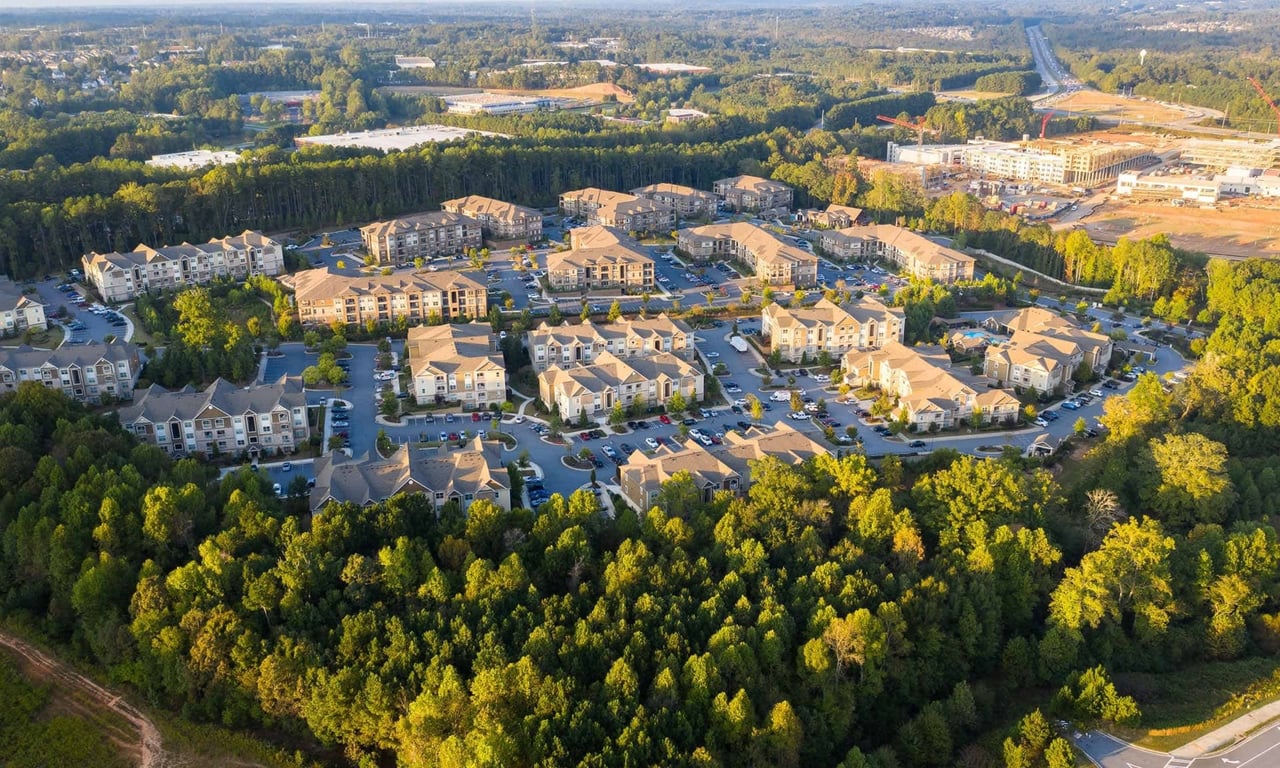
Milton's areas break down mostly by lot size and zoning rather than by subdivision name. One named exception is Crooked Creek, a gated neighborhood built around an 18-hole private golf course that its HOA calls the largest community in Milton. Closer to GA 400, Avensong is a swim and tennis neighborhood off Windward Parkway, built between 1995 and 1997. Here is how the main patterns differ, based on the city's zoning and planning documents.
Waterside has two fishing lakes near Crabapple.
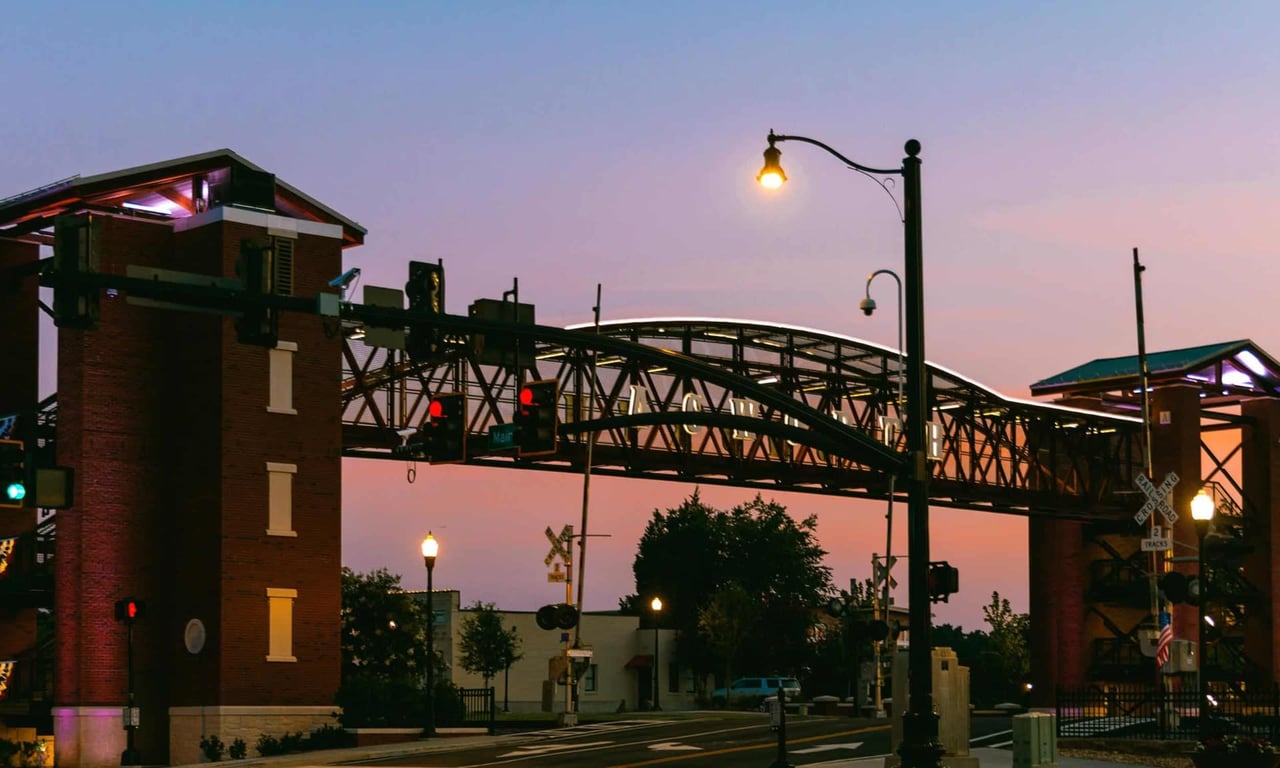
Crabapple is Milton's most town-like center. Development there is governed by the transect zones of the city's Crabapple Form-Based Code, which run from T2 to T5.
Because the rules differ by zone, check which transect zone applies to a specific parcel before planning an addition, a renovation or a new build.
Most of Milton falls in this category. With about 85 percent of the city agriculturally zoned, residential lots in those areas must be at least one acre. Lot size, setbacks and what you can do with outbuildings vary, so the zoning on the specific parcel matters as much as the house.
Horses are part of everyday life in parts of Milton, and the city builds for them. Birmingham Park, about 200 acres of mostly wooded land in north Milton, has a horseshoe-shaped parking lot sized so horse trailers can turn around, hitching posts and a working well that supplies water for animals. Anyone considering a property for horses should confirm the zoning, the acreage and any limits on animals for that address with the city.
A note on addresses: a mailing address alone may not tell you whether a home is inside Milton city limits, especially near the Alpharetta and Roswell lines. City limits determine which city provides services and which city taxes apply, so confirm the exact parcel.
Getting around Milton mostly means driving, on local roads such as Birmingham Highway, Hickory Flat Road and Bethany Bend, which you will meet again below as the addresses of a park and two high schools. We have left commute times out of this guide because they depend on the exact address and the hour, and we only publish times we can source.
The practical test is the honest one: drive your own route at rush hour, and again at school pickup time, before you commit to an address.
Weekends in Milton tend to happen outside, at city parks built either for nature or for sports. The three most-used starting points are Providence Park, Bell Memorial Park and Birmingham Park.
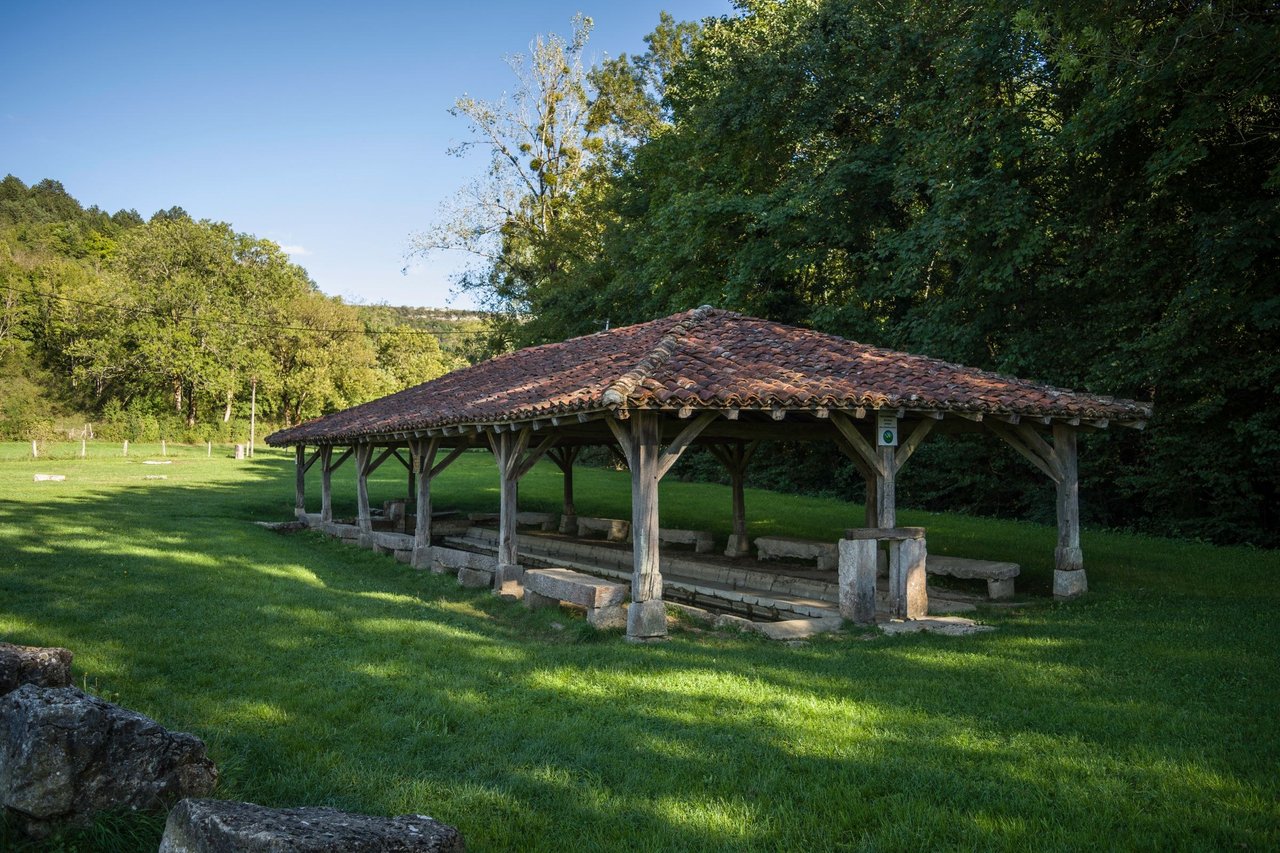
Providence Park, at 13440 Providence Park Drive, is 42 heavily wooded acres, parts of which overlook Providence Lake. A public fishing pier sits on the lake, and the park has three trails, including a paved, ADA-accessible 0.5-mile loop. The city runs no official recreation programs inside the park. It is meant simply as a place to be outdoors, which is a refreshingly low-pressure job description for a park.
Bell Memorial Park, at 15245 Bell Park Drive, is Milton's busy active-use park. It has four baseball fields, two multi-purpose artificial turf fields, pavilions, picnic areas, concessions and a playground, and it is open from dawn until 10:30 p.m. Athletic programs, including baseball and lacrosse, use it regularly, so check the schedule before you count on an empty field.
The park is also home to the Mark Law Arboretum, named for Milton's first, long-time city arborist. Phase 1 opened on February 15, 2019, Georgia Arbor Day, and Phase 2 added more trees and signage on February 21, 2020. The plantings include an American elm known as the Survivor Tree, along with bald cypress, cucumber magnolia, witchhazel and a white oak donated by the Georgia Tree Council.
Birmingham Park, at 750 Hickory Flat Road, covers about 200 acres and has nine multi-use, natural-surface trails shared by hikers and equestrians. The longest, the Blue Trail, runs 1.41 miles, and the Yellow Trail adds 1.1 miles. The Little River runs along the park's northern edge, where the city has closed a small stretch of the Green Trail to let the habitat recover. Bring good shoes, keep dogs leashed, and expect to share the path with a horse or two.
Fulton County Schools runs Milton's public schools; the city does not operate a school system. Two Fulton County high schools have Milton addresses: Milton High School, at 13025 Birmingham Highway, and Cambridge High School, at 2845 Bethany Bend.
Cambridge High School opened in August 2012, serves parts of Alpharetta and Milton, and lists an enrollment of 1,668 students in its 2026-2027 school profile. Both Milton High and Cambridge High are in the district's Learning Zone 7, along with Alpharetta High School and FCS Innovation Academy.
Two cautions before you choose a home by school. First, attendance zones do not follow city limits or ZIP codes, so a Milton address does not by itself tell you which school a home is zoned for. Second, Fulton County Schools is running a redistricting, closure and consolidation process that affects some elementary and middle schools, with community forums scheduled in October, November and December. Confirm the assigned schools for the exact address with Fulton County Schools, and check the district's redistricting page for updates, before making an offer.
A property tax bill depends on the assessed value, the exemptions an owner qualifies for and the millage rates set each year. Rates change, so this guide does not quote them. Pull the current figures for a specific parcel from Fulton County and the City of Milton before you budget.
For background, see Cobb County vs. Fulton County property taxes and property tax appeal deadlines across Fulton, DeKalb and Cobb.
Milton stands out from its neighbors mainly through its zoning: with about 85 percent of its land agriculturally zoned, much of the city is built around one-acre-plus lots. Alpharetta sits to the south and Roswell to the southwest, and Sandy Springs and Johns Creek came out of the same north Fulton cityhood movement that created Milton.
If you are weighing Milton against its neighbors, these guides cover each one: Living in Alpharetta, Living in Roswell and Living in Sandy Springs. For the bigger picture, start with moving to Atlanta.
One honest note: for many people already in north Fulton, the right move is no move at all. If your current home works and your schools are set, staying put is often the smart call, and Milton's parks are open to visitors either way.
Milton was incorporated on December 1, 2006, after the Georgia General Assembly passed House Bill 1470 and 85 percent of voters approved the cityhood referendum.
Milton is in Fulton County. The city formed in 2006 from parts of unincorporated north Fulton County.
Fulton County Schools runs the public schools in Milton, not the city. Milton High School and Cambridge High School both have Milton addresses. Confirm the assigned schools for any specific address with Fulton County Schools.
City parks in Milton include Providence Park, a 42-acre wooded nature area on Providence Lake; Bell Memorial Park, with ball fields, turf fields, a playground and the Mark Law Arboretum; and Birmingham Park, with nine natural-surface trails.
Yes. Crabapple is in the City of Milton, and development there is governed by the transect zones, T2 to T5, of the city's Crabapple Form-Based Code.
Questions about a specific Milton address? Call (470) 990-4414 or start with the Home Report Card.
City of Milton, About Milton: https://www.miltonga.gov/residents/about-milton
City of Milton, History of Milton: https://www.miltonga.gov/residents/history
City of Milton, Government: https://www.miltonga.gov/government
City of Milton, Providence Park: https://www.miltonga.gov/Home/Components/FacilityDirectory/FacilityDirectory/4/203
City of Milton, Bell Memorial Park: https://www.miltonga.gov/Home/Components/FacilityDirectory/FacilityDirectory/2/203
City of Milton, Mark Law Arboretum: https://www.miltonga.gov/residents/mark-law-arboretum
City of Milton, Birmingham Park: https://www.miltonga.gov/Home/Components/FacilityDirectory/FacilityDirectory/12/203
City of Milton, Birmingham Park trail map: https://www.miltonga.gov/home/showpublisheddocument/6766/638228757435930000
City of Milton, Birmingham Park equestrian upgrades: https://www.miltonga.gov/Home/Components/News/News/1477/1351
City of Milton, Birmingham Park Green Trail closure: https://www.miltonga.gov/Home/Components/News/News/3229/1351
City of Milton, Character Area Narratives: https://www.miltonga.gov/home/showpublisheddocument/4736/637569317621200000
City of Milton, Unified Development Code (adopted April 8, 2024; Article 7A is the Crabapple Form-Based Code): https://www.miltonga.gov/government/community-development/zoning/unified-development-code
Fulton County Schools, Milton High School: https://milton.fultonschools.org/
Fulton County Schools, Cambridge High School: https://cambridge.fultonschools.org/our-school
Fulton County Schools, Cambridge High School Profile 2026-2027: https://cambridge.fultonschools.org/our-school/school-profile-2023-2024
Fulton County Schools, Learning Zone 7: https://www.fultonschools.org/our-district/learning-zones/learning-zone-7
Fulton County Schools, Redistricting: https://www.fultonschools.org/redistricting
41,546 people live in Living in Milton, where the median age is 40.1 and the average individual income is $88,928. Data provided by the U.S. Census Bureau.
Total Population
Median Age
Population Density Population Density This is the number of people per square mile in a neighborhood.
Average individual Income
Our exceptional team of local Realtors® and network of consultants are ready to help you sell or buy a home, or invest in real estate.