Buckhead vs. Sandy Springs: Which Atlanta Address Fits Your Lifestyle?
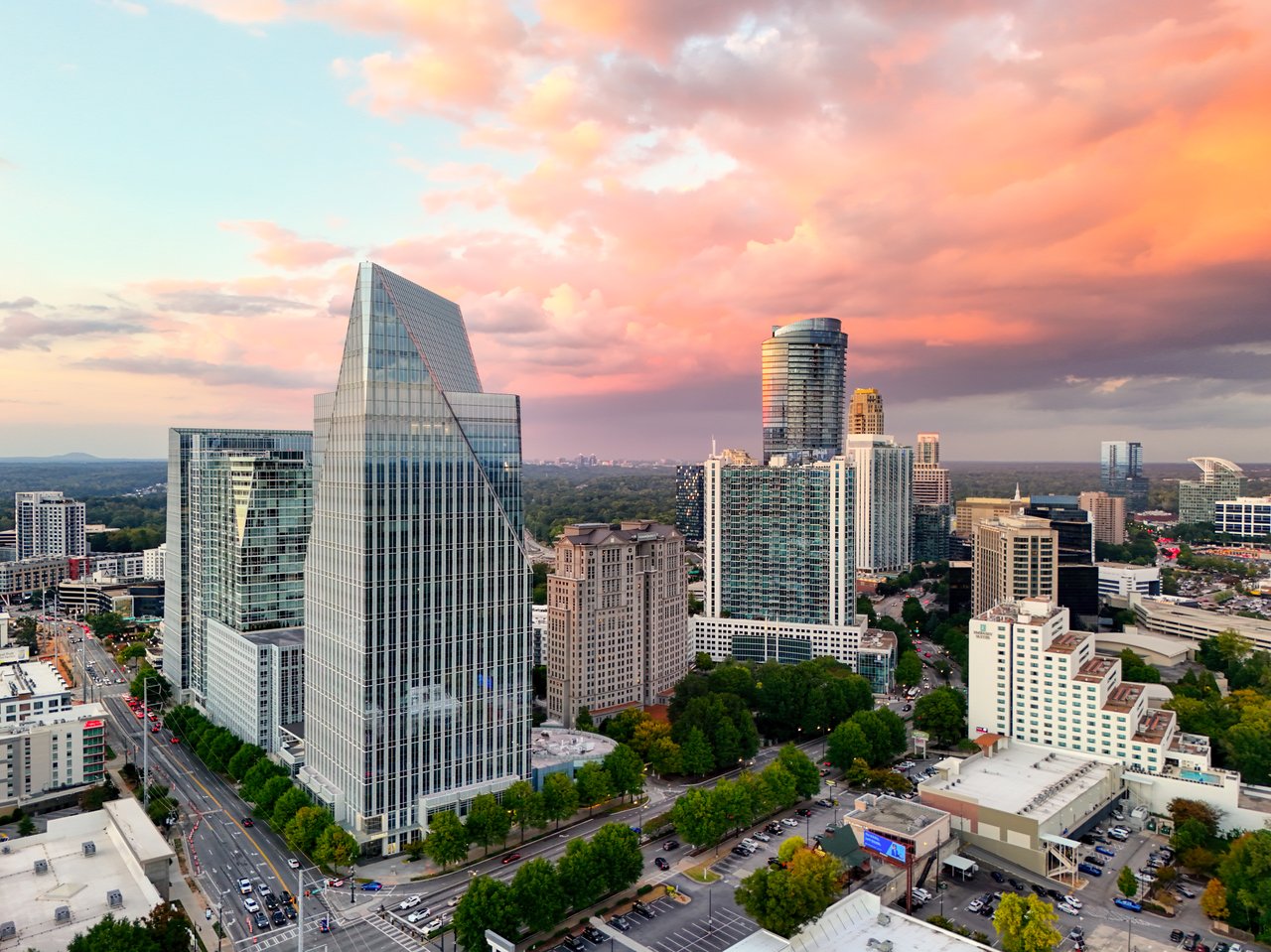
Buckhead has been Atlanta's address of record for generations, and it still delivers on that reputation. The Buckhead Village District has been rebuilt into one of the city's most polished shopping and dining destinations, while Lenox Square and Phipps Plaza anchor a retail corridor with few equals in the Southeast. Behind the commercial core, streets like West Paces Ferry Road and Tuxedo Park hold some of the most significant estate homes in Georgia, many set on multi-acre lots with the kind of privacy and landscaping that takes decades to establish.
Buckhead also offers a density of institutions that few Atlanta neighborhoods can match, including the Atlanta History Center, the Cathedral of St. Philip, and a long list of private clubs and civic organizations that have shaped the city's philanthropic and social life for generations. For buyers who want the prestige of a legacy address alongside walkable retail and genuine urban energy, Buckhead remains hard to beat.
The neighborhood also spans a wide range within itself. Streets closer to Peachtree Road and the Village District trade density and walkability for a more urban feel, with condominium towers and townhomes alongside the historic estates, while pockets further from the commercial core, toward Chastain Park and the river, offer a quieter, more suburban rhythm without losing the Buckhead address. That range means the neighborhood can suit very different buyers depending on which stretch you choose.
Sandy Springs took a different path, incorporating as its own city in 2005 after decades as unincorporated Fulton County, and it has used that independence to build a downtown almost from scratch. City Springs, the civic and cultural complex that now anchors the city center, brings a performing arts theater, city hall, green space, and a growing restaurant scene into one walkable campus, giving Sandy Springs an identity distinct from Atlanta rather than an extension of it.
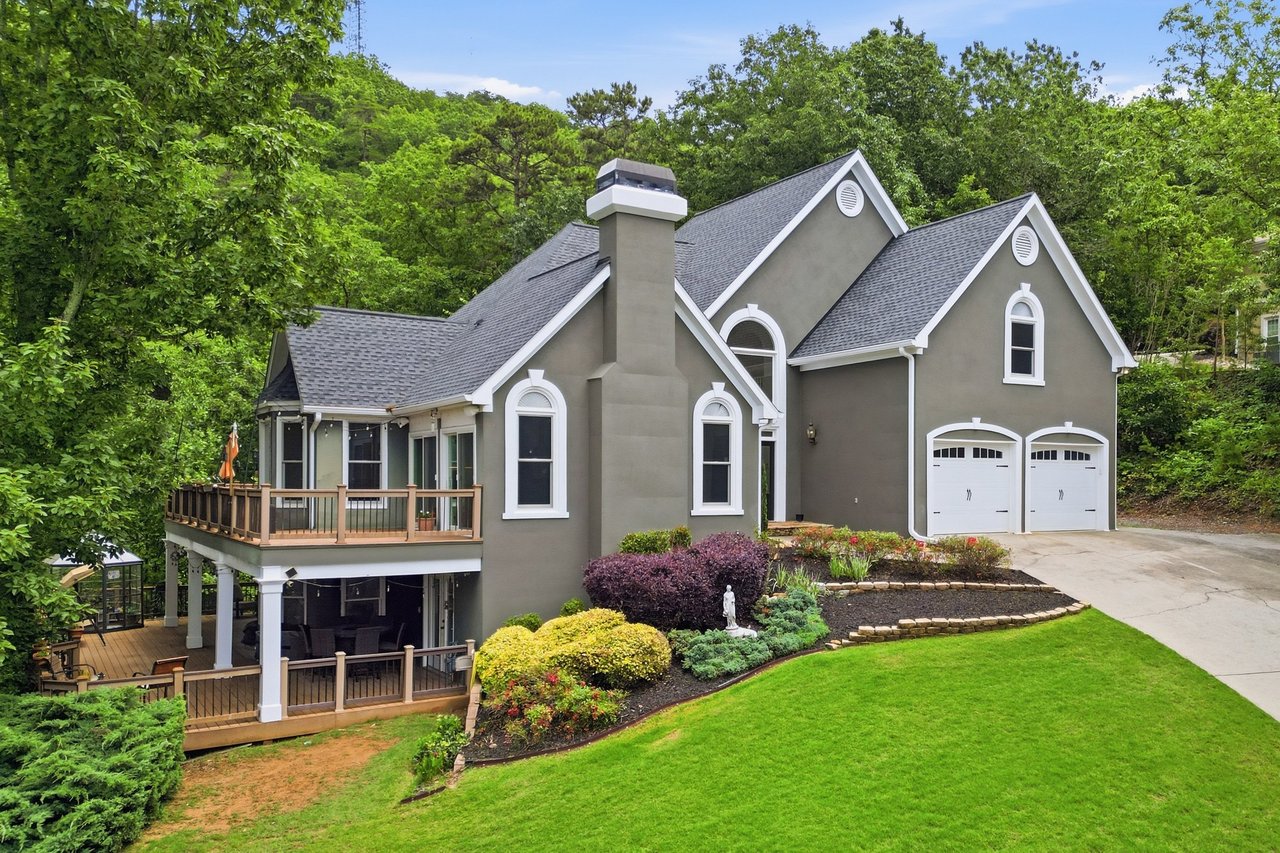
The city has also become one of the region's premier corporate addresses, home to major company headquarters and a large daytime professional population, which shapes a community that feels genuinely self-sufficient rather than dependent on a commute into Atlanta. Residential streets range from established mid-century neighborhoods to newer construction, with river-adjacent properties along the Chattahoochee carrying some of the highest value in the city.
If you want walkable retail and a legacy address. Buckhead's Village District and its surrounding neighborhoods deliver a level of polish and prestige that is difficult to replicate elsewhere in the region.
If you want a self-contained community with its own civic identity. Sandy Springs has spent two decades building an independent downtown, and City Springs gives residents a genuine center of gravity that is entirely their own.
If river access and green space matter as much as retail. Sandy Springs offers considerably more direct access to the Chattahoochee River and its surrounding parkland than Buckhead does.
For buyers whose free time revolves around golf, water, or simply staying active outdoors, this comparison has real substance behind it, not just curb appeal.
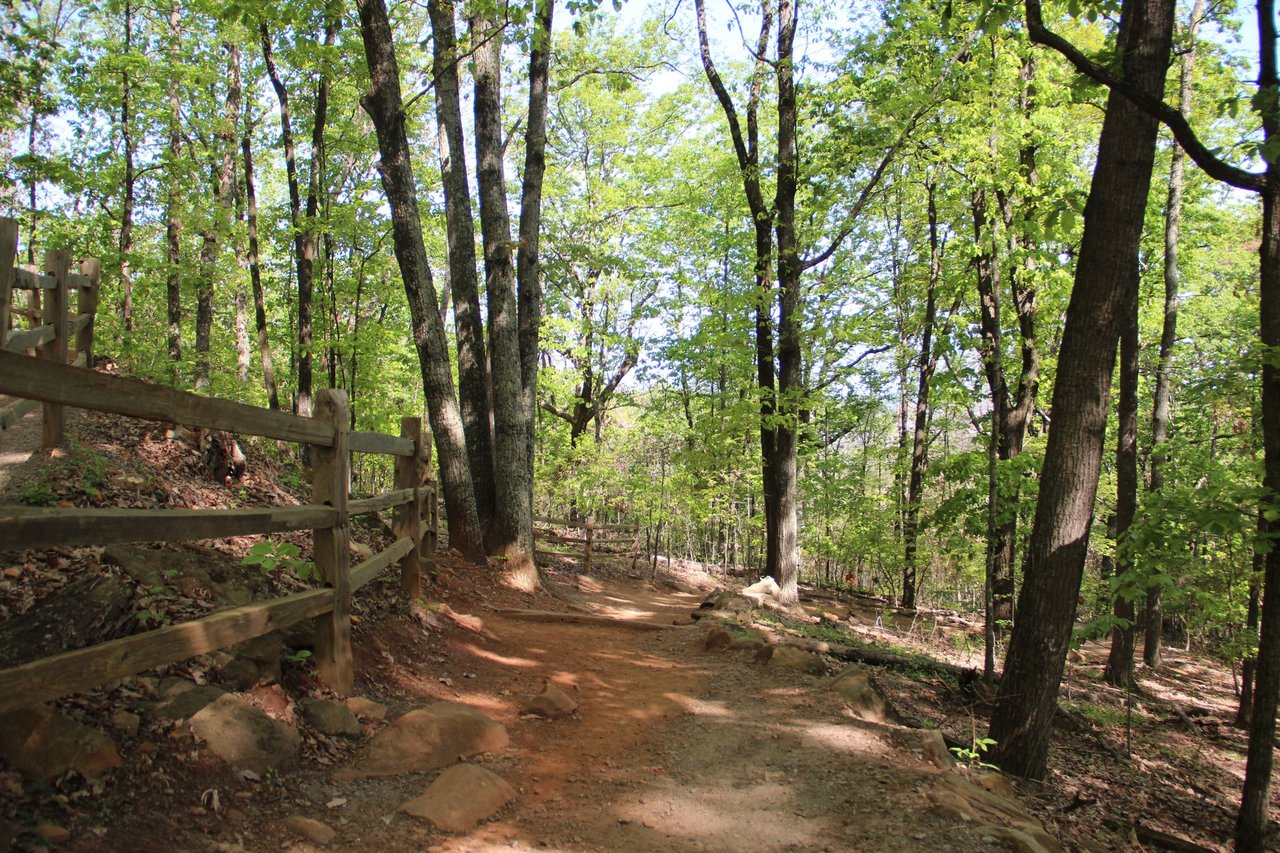
Buckhead's outdoor centerpiece is Chastain Park, one of the largest green spaces in the city, home to a public golf course, an equestrian center, tennis courts, an amphitheater, and miles of walking paths. The PATH400 trail runs through the neighborhood as well, a paved multi-use path built along the GA 400 corridor that has quietly become one of the more popular running and cycling routes in the city, connecting Buckhead's residential pockets to Lenox and the Buckhead Village District without a car.
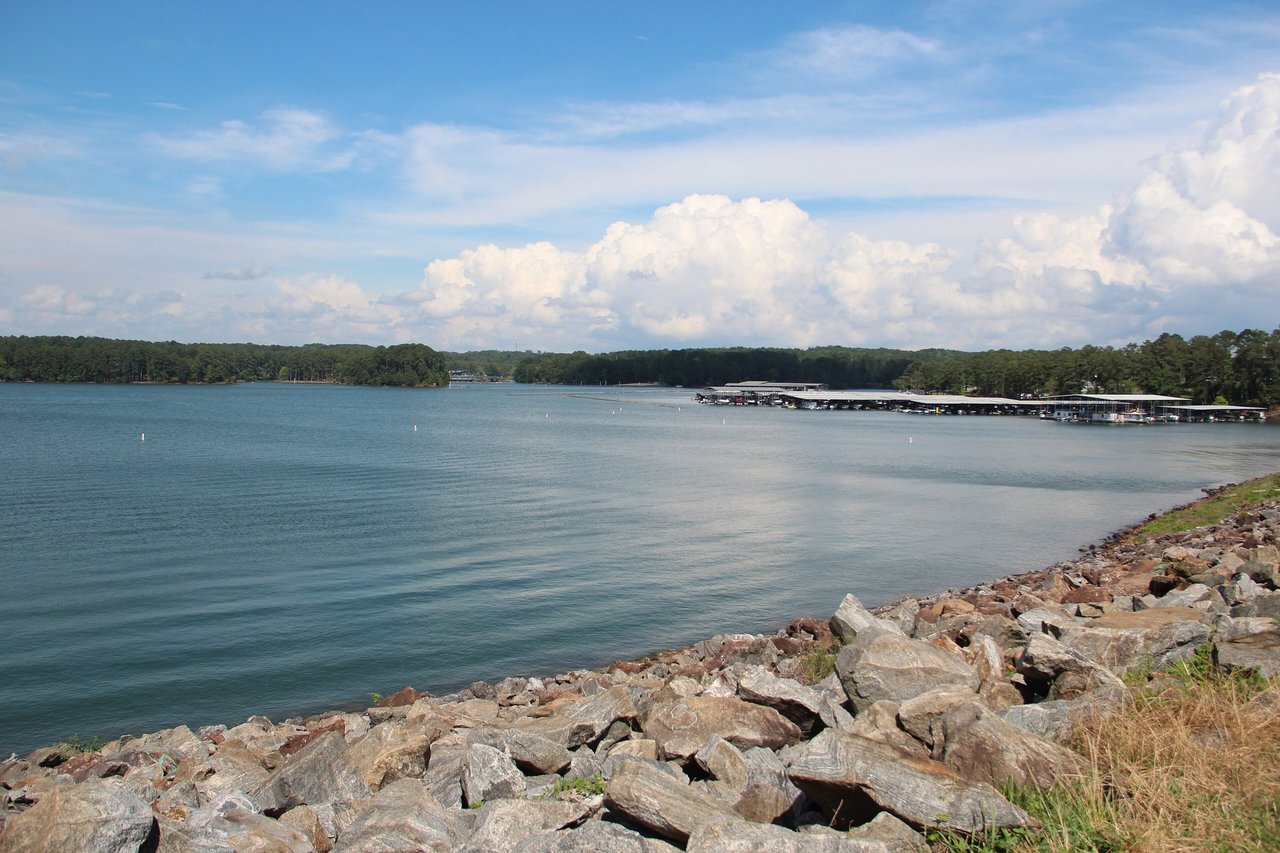
Sandy Springs leans into its defining feature, the Chattahoochee River itself. Morgan Falls Overlook Park and the surrounding stretch of the Chattahoochee River National Recreation Area give residents direct access to kayaking, paddleboarding, and fishing, while Big Trees Forest Preserve offers a quieter, forested hiking option along the river's edge. For buyers who count boating or paddling among the activities that shape where they want to live, Sandy Springs offers something Buckhead simply cannot: a working relationship with the river itself, not just a view of it.
Buckhead's retail identity is built for both residents and visitors. Lenox Square and Phipps Plaza anchor the high end of the market, with a concentration of national luxury retailers unmatched elsewhere in the region, while the Buckhead Village District mixes upscale dining with a nightlife scene that draws crowds from across metro Atlanta on weekend evenings. That energy is part of the appeal for many buyers, though it also means Buckhead's core can feel considerably busier and more visitor-heavy than a purely residential neighborhood.
Sandy Springs has taken a more measured approach, concentrating its dining and retail growth around City Springs rather than spreading it across the city. The result is a downtown that feels curated and walkable without the crowds that come with a regional shopping destination, complemented by a steady mix of long-standing restaurants along Roswell Road that serve the surrounding neighborhoods day to day. For buyers who want good dining options without the scale and traffic of a major retail corridor, that distinction matters.
Both communities benefit from direct GA 400 access and MARTA rail service, which puts them ahead of most of the metro area for connectivity. Buckhead's three MARTA stations sit within its commercial core, making it genuinely possible to live car-light if your work and social life stay close to the neighborhood or run downtown along the rail line. Sandy Springs' MARTA stations serve a similar function, though the city's real advantage is how much of its own employment base sits inside city limits. With a large corporate presence anchored in Sandy Springs itself, many residents commute a matter of minutes rather than crossing the city.
For buyers who still travel frequently, both communities sit within a short drive of Hartsfield-Jackson via GA 400 and I-285, though traffic patterns on any given day can make that drive feel longer than the mileage suggests.
Buckhead's civic life runs through its institutions, from the Atlanta History Center's role as a cultural anchor to a dense network of private clubs, garden clubs, and church congregations that have shaped the neighborhood's social fabric for generations. Philanthropic involvement here often flows through those established organizations, which can be an asset for buyers who want an existing network to plug into.
Sandy Springs, by contrast, is still actively building its civic identity two decades into independent cityhood, which creates a different kind of opportunity. The city's Rotary presence, its growing arts programming at City Springs, and its newer nonprofit and volunteer organizations are less entrenched than Buckhead's, meaning newer residents can often step into meaningful civic roles more quickly than they could in a longer-established community.
This is one comparison where the two communities are genuinely different, not just in feel but in structure, and it is worth understanding before you fall in love with a specific street.
Buckhead sits inside the City of Atlanta, which means residents pay Fulton County property tax along with the City of Atlanta's municipal millage rate, the same structure that applies across most of Intown Atlanta. Sandy Springs, as its own incorporated city since 2005, has an entirely separate municipal millage rate layered on top of the same Fulton County tax. The two rates are not the same, and because both cities adjust their budgets and millage independently, the gap between them can shift from year to year.
Neither structure is inherently better or worse, and the difference on a given property depends on assessed value, exemptions, and the current rates in effect at the time of purchase. What matters is not assuming a Buckhead tax bill and a Sandy Springs tax bill will look the same simply because the homes look similar. We recommend confirming current millage rates and any applicable homestead exemptions directly with the Fulton County Tax Assessor's Office, or through your closing attorney, before finalizing a decision between the two.
Both markets have held their value well over time, supported by limited inventory, strong school and amenity access, and proximity to major employment centers. Rather than compare specific price points here, which vary significantly by street and by property type in both communities, the more useful step is a direct conversation about current inventory and recent closed sales in the specific pocket you are considering.
Buckhead suits buyers who want the prestige, walkability, and institutional depth of a legacy Atlanta address, with retail and dining that rival any city in the Southeast. Sandy Springs suits buyers who want a genuinely independent community built around its own downtown and its relationship with the Chattahoochee River, particularly those whose lifestyle leans toward the water or a quieter, more self-contained pace.
It is also worth thinking about trajectory, not just current character. Buckhead's core is largely built out, which means its identity is likely to stay close to what it is today, refined rather than reshaped. Sandy Springs is still actively investing in its downtown and civic infrastructure, which means the next decade will likely bring continued growth around City Springs and the river corridor. Neither direction is inherently better, but it is worth choosing the one that matches how much change you want your neighborhood to go through around you.
The best way to decide is still the simplest one: spend an ordinary morning in each, not a weekend event, and pay attention to which one already feels like the life you are trying to build.
By The Agency Atlanta
The Agency Atlanta is a concierge-style, full-service residential brokerage serving Metro Atlanta, with offices in Midtown Atlanta and Marietta. Creating a clear path to success.
Start Your New Home Search Now!
Stay up to date on the latest real estate trends.
You’ve got questions, and we can’t wait to answer them.